Learning to Surf at Any Age in Northern Nicaragua
There’s a moment almost every adult has before learning to surf. You stand on the beach, watch the waves roll in, and wonder whether you missed your window. You didn’t. At Amaru, we see kids finding their feet in the whitewater, adults catching their first open-face waves, and older surfers cruising at their own pace. Surfing isn’t reserved for people who grew up near the ocean. What changes with age isn’t whether you can learn; it’s how you should approach learning.
Learning as a Kid
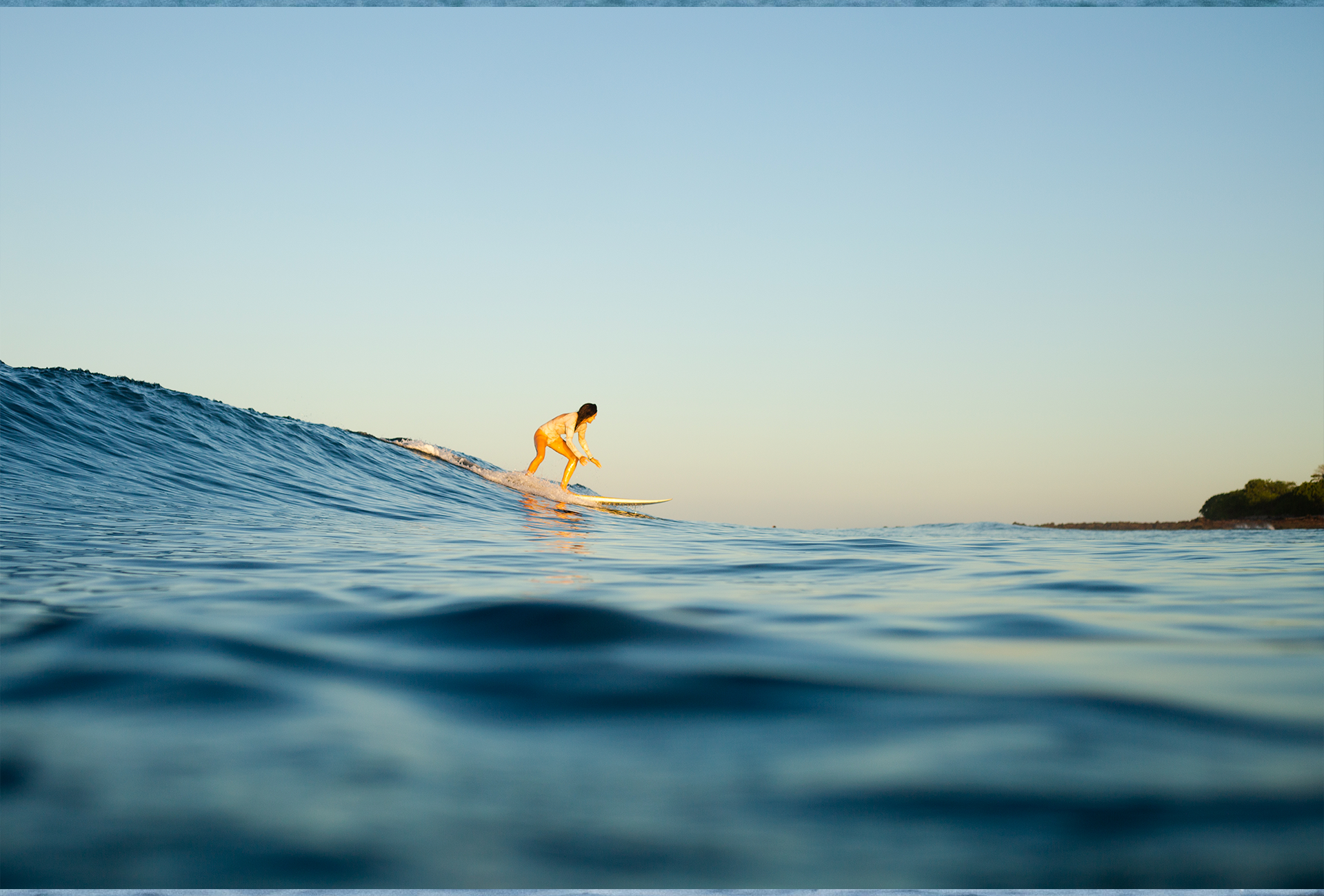
Kids often learn quickly because they don’t overthink anything. They fall, climb back onto the board, and try again. Their willingness to repeat the process is a real advantage. The challenge is awareness, not ability. Young surfers still need help reading waves, controlling a board, and understanding where it is safe to paddle. At Aposentillo, a short walk from our Nicaragua surf resort, gentle waves can create the kind of simple, repeatable sessions that help kids build confidence. A big board, small surf, and close supervision keep the focus on having fun while learning good habits.
Learning as a Teen

Teenagers are built for progression. They’re strong, coordinated, and often willing to stay in the water until one more attempt turns into a real ride. Aposentillo offers space to work on timing, positioning, and riding down the line. Other waves in the area offer more room to progress, work on generating speed, turning, and developing independence in the lineup.
Learning as an Adult
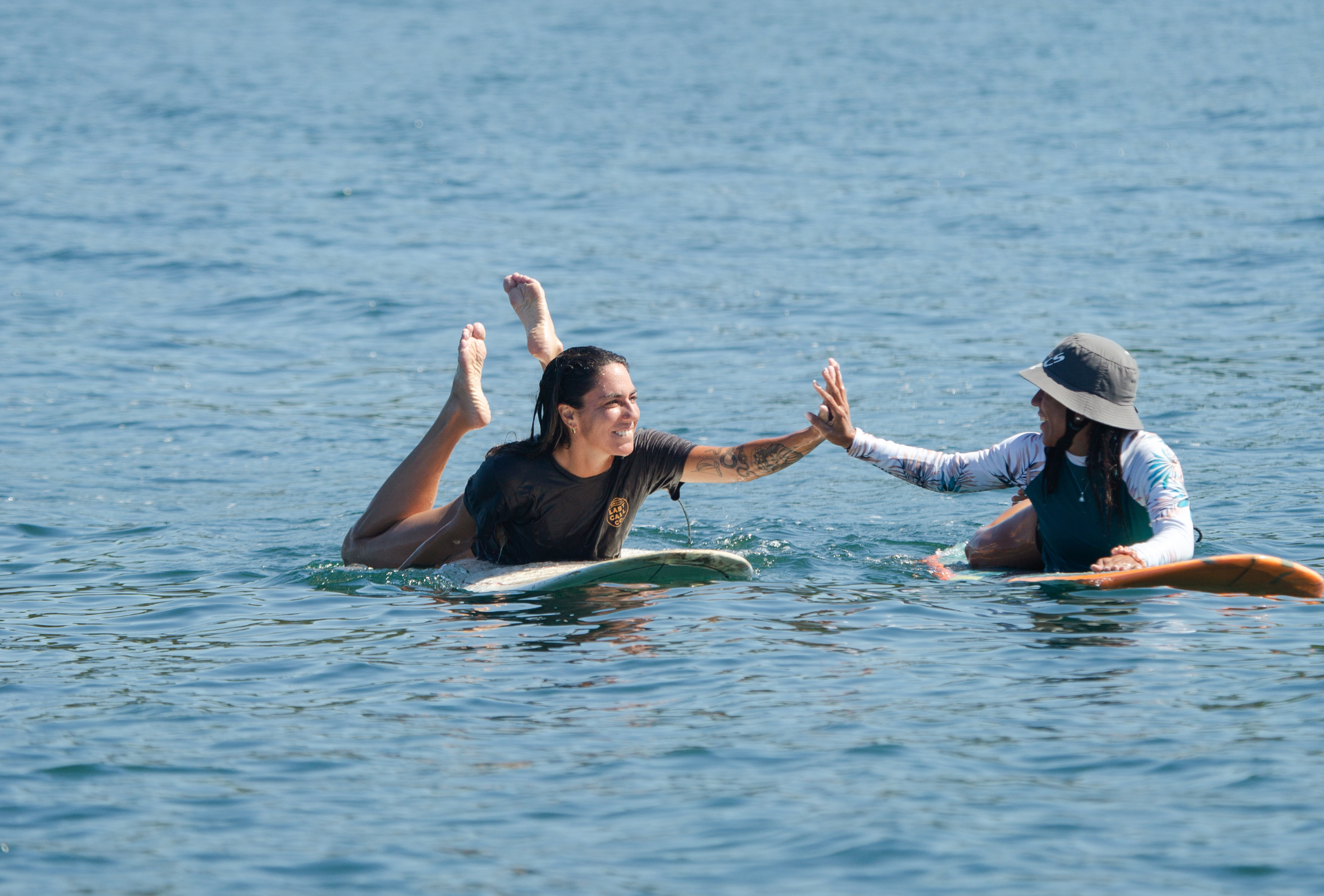
Adults tend to approach surfing as something they should be able to solve. They want the pop-up explained and every mistake corrected immediately. But most missed waves come down to a few simple things: being in the wrong position, paddling too late, or hesitating when it’s time to commit.
The best remedy is repetition. A week with several sessions throughout your stay gives you the chance to practice while each lesson is still fresh. At Amaru, instruction can extend beyond the water through paddle training, surf theory, land-based drills, and video analysis. Instead of guessing what went wrong, you can see it, make one adjustment, and try again in the next session.
Learning in Your 40s and 50s

In your 40s and 50s, progress usually comes from efficiency rather than force. Better paddling, better positioning, and better wave selection matter more than trying to muscle through every session. Board choice matters too. A stable board with a little extra volume can turn a frustrating day into one with plenty of waves.
Conditions matter just as much as equipment. During Northern Nicaragua’s dry season, smaller, cleaner surf often creates a forgiving window for progression. Playa Nahualapa can offer soft, peeling rights on the right tide, giving intermediates and longboarders room to work on trim and flow.
Learning Later in Life
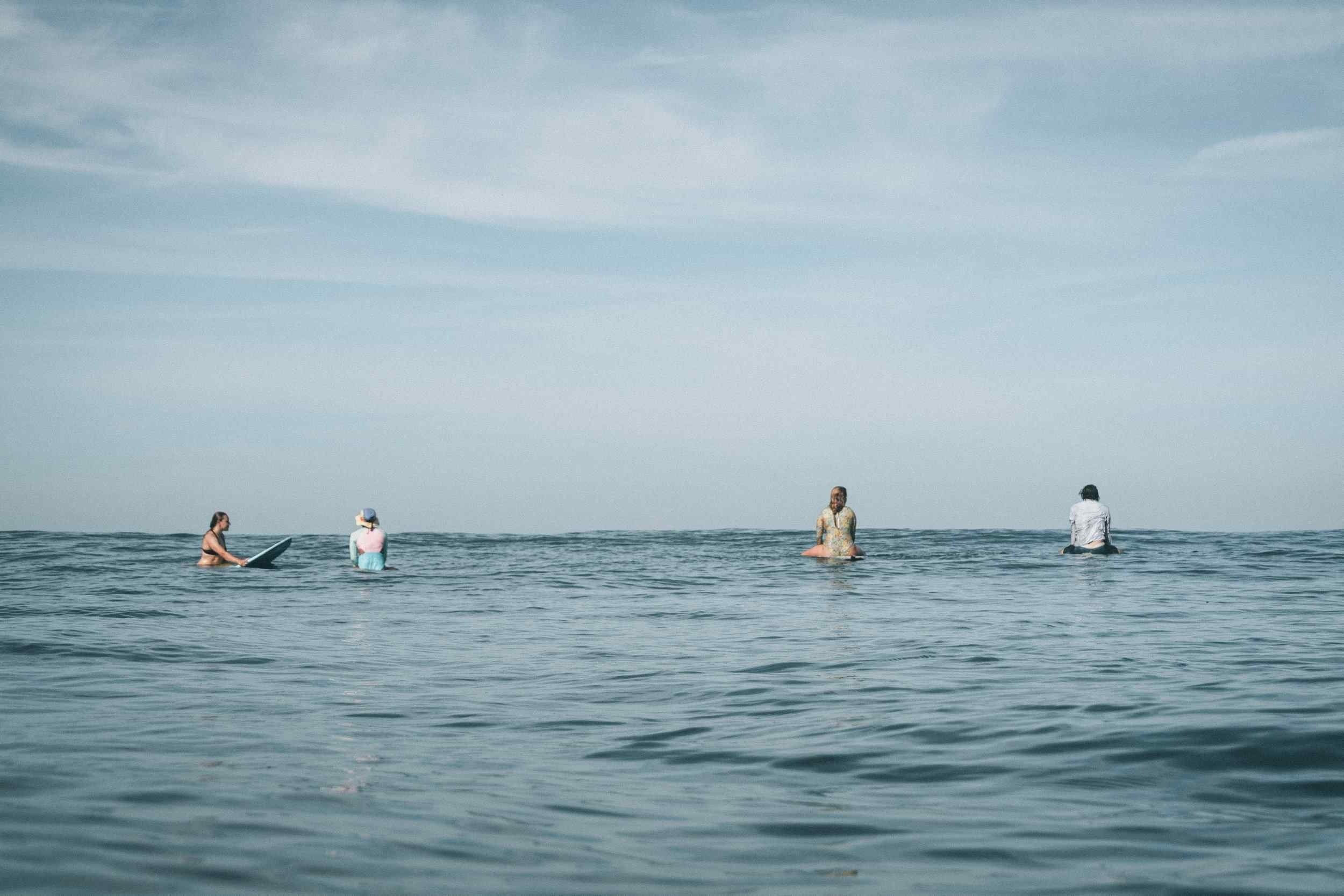
For a later-in-life beginner, the goal doesn’t need to be standing on the first wave or surfing the biggest conditions of the week. Riding prone, learning the feeling of a wave picking up the board, and getting comfortable in moving water are all real progress. Small surf, a stable board, and a patient coach will increase your odds of success. Recovery is a huge part of surfing as you age. A short, successful surf followed by food, rest, yoga, a massage, or a cold plunge can be more productive than staying out until your shoulders are spent. A good session leaves you feeling ready to return; not one that empties the tank on day one.
Why Northern Nicaragua Makes It Easier
Not every world-class surf destination is friendly to new surfers. Northern Nicaragua offers variety that most destinations lack. Beginners can start in the gentler water at Aposentillo. As timing and confidence improve, longer peeling waves around Playa Nahualapa can help surfers learn to trim and travel down the line. Experienced surfers can chase hollow waves at The Boom.
Staying at Amaru puts that progression within reach. Aposentillo and The Boom are both within walking distance, while local coaches and guides can take you to other breaks by car or boat based on the swell, tide, and your ability. With boards, instruction, transport, and recovery in one place, you spend less time solving logistics and more time building consistency.